Expert views · Vitamin D
What Does Rhonda Patrick Say About Vitamin D?
Nootrovo · Expert views
Vitamin D
What Rhonda Patrick says, with sources
Rhonda Patrick argues that the dose of vitamin D matters less than the blood level it produces, so she encourages testing 25-hydroxyvitamin D. She has said she considers 40 to 80 ng/mL an optimal range, with 40 to 60 ng/mL as her preferred target because of its association with lower all-cause mortality.
The short answer
Why Patrick focuses on vitamin D
Patrick's FoundMyFitness overview describes vitamin D as a steroid hormone the body makes from sunlight, with roles well beyond bone health, including immune function, blood pressure regulation and gene expression. The page also acknowledges that vitamin D is a controversial topic, with ongoing debate about testing, optimal blood levels and dosing. See the FoundMyFitness vitamin D topic page.
The blood level she aims for
In a conversation with Tim Ferriss, Patrick said she thinks anywhere from 40 to 80 ng/mL is an optimal range, and that 40 to 60 ng/mL is her sweet spot because studies have linked that range with lower all-cause mortality. She suggested that someone sitting just above 30 ng/mL might try to reach 40. Source: What Vitamin D Levels Can and Cannot Tell Us.
Her topic page explains that official bodies disagree. The Institute of Medicine considered 20 ng/mL sufficient, while other groups favour higher thresholds, and one review she cites linked 40 to 60 ng/mL with the lowest mortality.
Watch: Rhonda Patrick on vitamin d
How dose relates to blood level
Patrick's topic page explains that vitamin D supplementation is both dose and frequency dependent. It reports an analysis of more than 2,700 people in which 1,000 to 2,000 IU taken twice a week for a month did not raise blood levels, while higher doses produced larger rises, with 5,000 IU giving about a 30% increase. In the Ferriss conversation she worked through how someone at 30 ng/mL might adjust their dose and then retest a month or so later to see where it landed. Sources: FoundMyFitness vitamin D overview and What Vitamin D Levels Can and Cannot Tell Us.
D3 rather than D2
Patrick's overview also covers the two main supplemental forms. It notes that an older trial found vitamin D2 and D3 similarly effective at maintaining levels, but that more recent evidence, including a 2012 meta-analysis of seven studies, found D3 more effective than D2 at raising blood concentrations. That is why D3 is the form most often discussed on FoundMyFitness. Source: FoundMyFitness vitamin D overview.
Vitamin K and other partners
Her overview also discusses a possible synergy between vitamin D and vitamin K, covering both K1 and the K2 menaquinones. The idea is that the two fat-soluble vitamins work together in calcium handling and bone health. The same page is candid that randomised trials of vitamin D for bone health and falls have produced mixed results. Source: FoundMyFitness vitamin D overview.
Why she says one dose does not fit all
Patrick repeatedly makes the point that people respond differently to the same dose. Her material describes trials where body size, genetics, baseline status and other factors split people into high and low responders, and a large trial where 1,000 IU a day raised blood levels by an average of about 6 ng/mL with wide variation between people. The practical message on FoundMyFitness is to avoid treating one dose as universal and to retest. Source: Why Vitamin D Levels Stay Low.
She has also highlighted that magnesium is needed for vitamin D metabolism, so low magnesium can blunt the effect of supplementing.
What the wider evidence says
Large randomised trials have been less encouraging than observational studies. The VITAL trial gave 2,000 IU a day to nearly 26,000 adults and did not lower the overall incidence of invasive cancer or major cardiovascular events compared with placebo (Manson et al., NEJM 2019). A FoundMyFitness clip also notes a three-year trial where 4,000 or 10,000 IU a day produced lower bone density at the wrist than 400 IU, and that current Endocrine Society guidance does not support routine high-dose supplementation or routine testing for all healthy adults.
Vitamin D is fat-soluble and can build up, so high doses carry risk. Speak to your doctor about testing and dosing.
My take
Personal opinion
My take: Rhonda Patrick is worth listening to here because the reasoning is laid out and the sources are public. I would still treat any single expert's stack as a starting point, not a rulebook. If I were adding vitamin d to my own routine, I would start with ForestLeaf Vitamin D3 50,000 IU High Potency Weekly Supplement, 120 Ct, keep to the label dose, and give it six to eight weeks before judging it.
If you take prescription medication, check with your pharmacist first. That is the one step I would never skip.
Shop vitamin d

Daily Essentials
ForestLeaf Vitamin D3 50,000 IU High Potency Weekly Supplement, 120 Ct

Daily Essentials
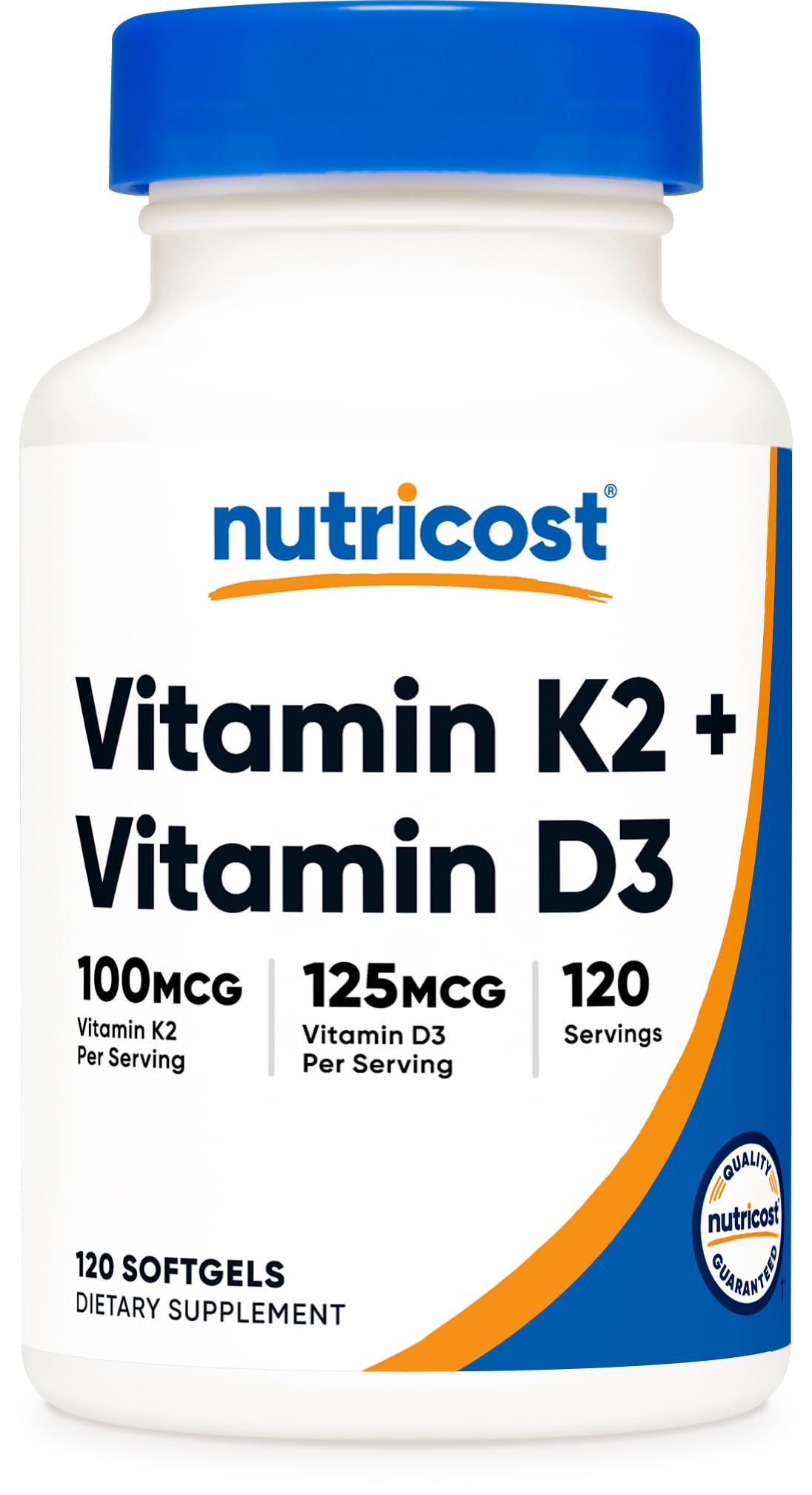
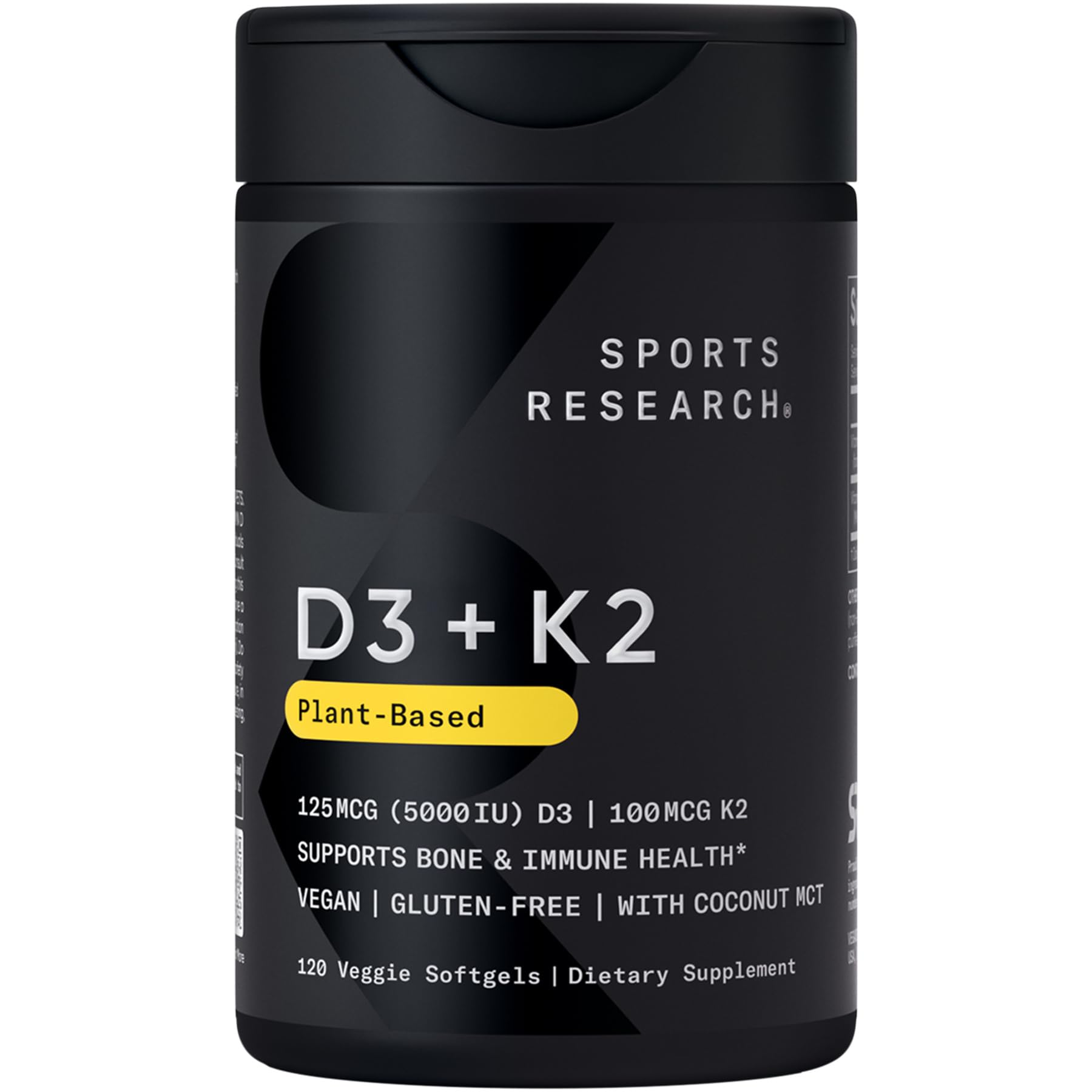
Sports Research Vegan Vitamin D3 + K2 w/ Coconut Oil, 120 Count Plantgels
FAQs
What vitamin D level does Rhonda Patrick recommend?
She has described 40 to 80 ng/mL as optimal and 40 to 60 ng/mL as her preferred range.
Does Rhonda Patrick give one dose for everyone?
No. Her material stresses that people respond very differently, so she encourages testing and adjusting rather than relying on a fixed dose.
Is magnesium relevant to vitamin D?
Patrick has highlighted that magnesium is needed to metabolise vitamin D, so low magnesium may limit the benefit of supplementing.
Sources
This article summarises public statements and is not an endorsement by Rhonda Patrick, who has no connection to Nootrovo. It is not medical advice.