Expert views · Omega-3
What Does Rhonda Patrick Say About Omega-3?
Nootrovo · Expert views
Omega-3
What Rhonda Patrick says, with sources
Rhonda Patrick treats omega-3 (EPA and DHA) as one of the most important nutrients to get right, and she recommends measuring it with the Omega-3 Index and aiming for 8% or higher. She has said that around 2 grams a day of EPA plus DHA has been shown to lift people from the typical 4% to about 8%.
The short answer
Why omega-3 matters to Patrick
Patrick's FoundMyFitness overview of omega-3 covers a wide range of areas where EPA and DHA are studied, including the resolution of inflammation, cardiovascular death, muscle, brain ageing, depression and pregnancy outcomes. She treats the marine forms, EPA and DHA, as the ones that matter most, rather than the plant form ALA, because the body converts ALA into EPA and DHA poorly.
Her overview also argues that official adequate intakes are set too low for optimal health, especially in people who eat little oily fish. You can read her full write-up in the FoundMyFitness omega-3 topic page.
The Omega-3 Index and her 8% target
The core of Patrick's approach is measurement. The Omega-3 Index is the percentage of EPA and DHA in the membranes of red blood cells, and it reflects intake over roughly the previous few months. Patrick has said the goal is to get to 8% or higher, and that it is always worth measuring rather than guessing.
She points out that the typical level in the United States is around 4%. In her clips on the subject she links low omega-3 status with a higher risk of early death in observational research, which is covered in the episode on the longevity benefits of omega-3.
Watch: Rhonda Patrick on omega-3
How much she says it takes
In a FoundMyFitness interview, Patrick said studies have given people starting around 4% roughly 2 grams a day of omega-3, and that this can raise the Omega-3 Index to about 8%. She called that a good starting point and contrasted it with prescription omega-3 products, which are given at 4 grams a day.
The research she relies on is a pooled analysis of 14 intervention trials with more than 1,400 participants. Her topic page reports that the estimated dose needed to reach 8% ranged from about 1.75 to 2.5 grams of EPA plus DHA a day, and that starting level, dose and formulation explained much of the variation between people. Source: How the Omega-3 Index Guides EPA and DHA Intake.
Muscle and the brain
Patrick's overview gives particular attention to muscle. It summarises work by Dr. Chris McGlory and others suggesting omega-3s can reduce anabolic resistance during disuse, with one study finding they prevented nearly half of the muscle loss during weeks of immobilisation, and that they may improve muscle protein synthesis by sharpening the response to insulin and amino acids.
On the brain, she discusses a trial where omega-3 supplementation for 26 weeks improved white and grey matter structure and executive function, with changes tracking the rise in the Omega-3 Index. She also covers APOE4, the main genetic risk variant for Alzheimer's disease, noting that carriers appear to respond well to DHA from fish but less well to the DHA in most supplements, possibly because many studies used low doses. Source: FoundMyFitness omega-3 overview.
Form and quality
Patrick stresses that the dose refers to combined EPA and DHA, not the total weight of fish oil in the capsule, so the label matters. Her material discusses the triglyceride, phospholipid and ethyl ester forms, noting that re-esterified triglycerides produced greater EPA and DHA uptake than ethyl esters at the same intake in one controlled trial. She also flags that omega-3 oils can oxidise, so freshness and product quality are worth checking. Source: FoundMyFitness omega-3 overview.
What the wider evidence says
Large randomised trials give a more mixed picture than observational data. The VITAL trial gave 1 gram a day of marine omega-3 to more than 25,000 adults and did not find a significant reduction in the main combined outcome of major cardiovascular events or in invasive cancer, although some secondary outcomes looked more favourable (Manson et al., NEJM 2019). Patrick's own topic page also notes safety considerations at high intakes, including longer bleeding time and a possible link with atrial fibrillation.
Doses of 2 grams or more are higher than many people take from food alone. If you take blood thinners or have a heart rhythm condition, speak to your doctor before supplementing.
My take
Personal opinion
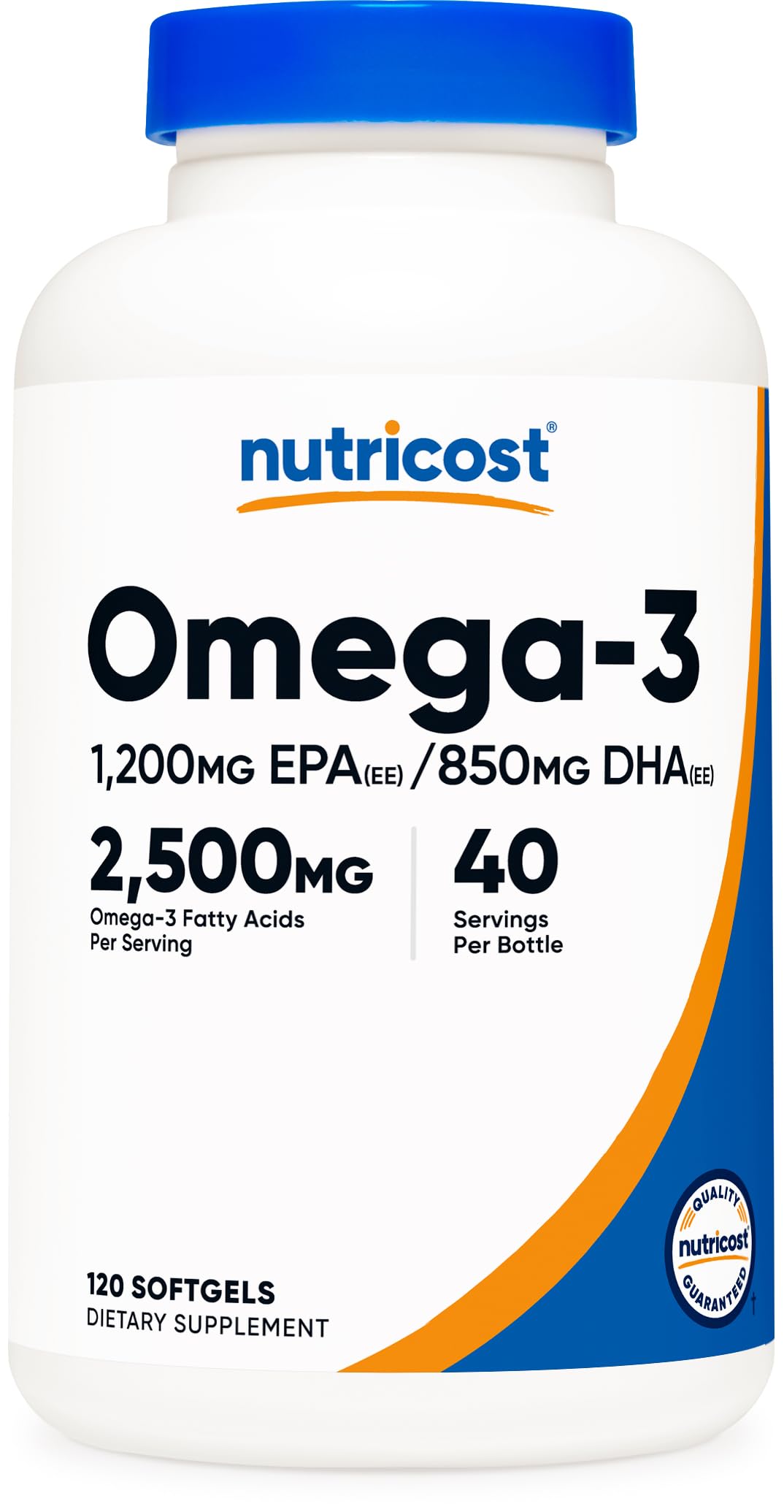
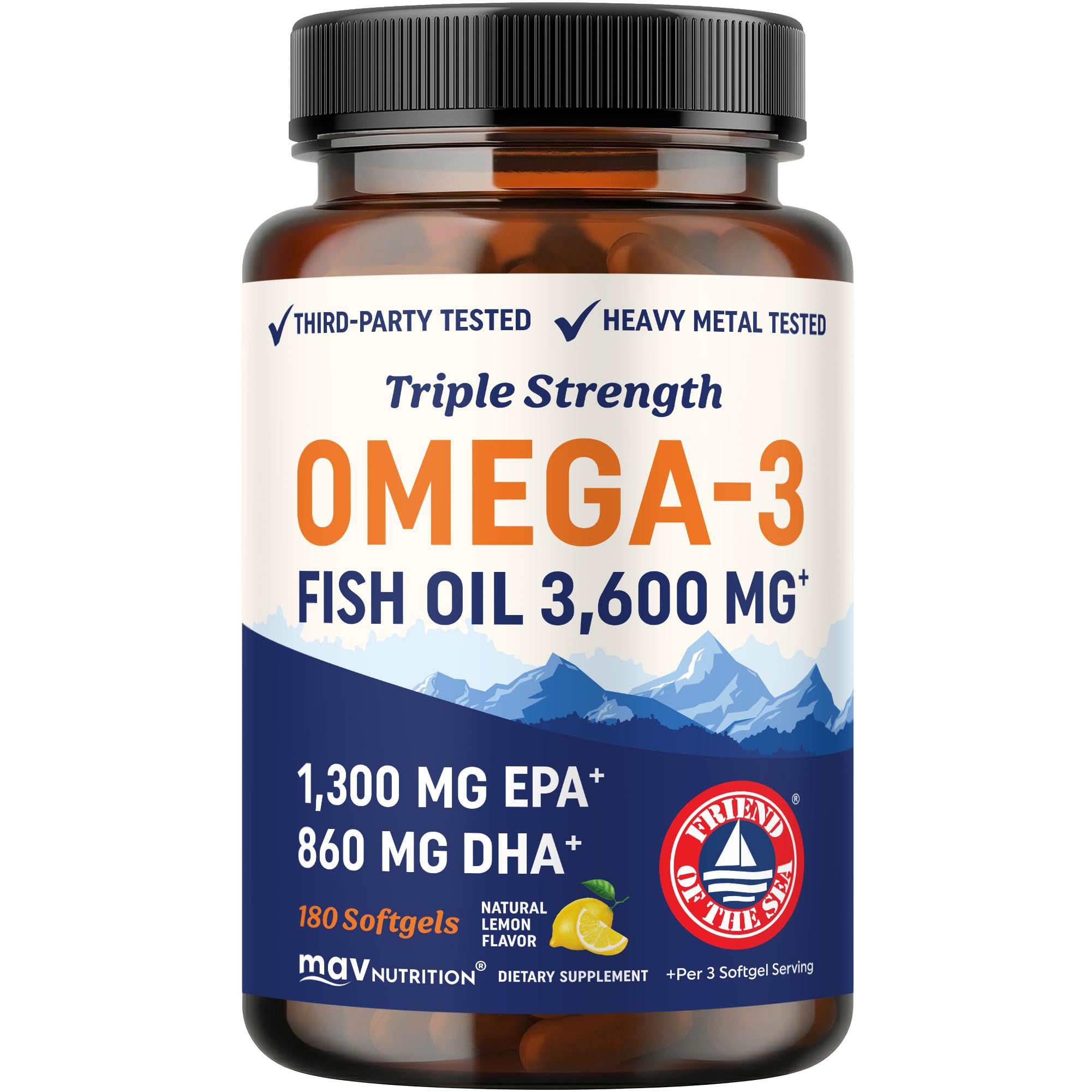
My take: Rhonda Patrick is worth listening to here because the reasoning is laid out and the sources are public. I would still treat any single expert's stack as a starting point, not a rulebook. If I were adding omega-3 to my own routine, I would start with Nutricost Omega 3 Fish Oil (2500MG) 120 Softgels, 40 Servings, keep to the label dose, and give it six to eight weeks before judging it.
If you take prescription medication, check with your pharmacist first. That is the one step I would never skip.
Shop omega-3


FAQs
What Omega-3 Index does Rhonda Patrick aim for?
She recommends 8% or higher and encourages people to test rather than assume their level.
How much omega-3 does Rhonda Patrick say is needed?
She has cited studies where about 2 grams a day of EPA plus DHA moved people from roughly 4% to 8%, while noting that individual response varies.
Does the 2 gram figure mean 2 grams of fish oil?
No. Patrick stresses that the dose refers to combined EPA and DHA, so you need to check the label rather than the total oil weight.
Sources
This article summarises public statements and is not an endorsement by Rhonda Patrick, who has no connection to Nootrovo. It is not medical advice.